




How to Fix Xbox One Disc Drive Problems: 5 Common Issues
When an Xbox One won't read a disc, refuses to eject it, or makes unusual noises, the cause may be a dirty disc, a temporary system glitch, or a failing drive. The right fix depends on the symptoms. This guide covers five common Xbox One disc drive problems, with troubleshooting steps to try before arranging a repair.
Start with simple checks before attempting anything involving the console's internal hardware. If the drive grinds, repeatedly rejects discs, or fails with every disc you test, stop inserting discs and consider professional service.
Can't Play DVDs on Xbox One? Try a Digital Copy
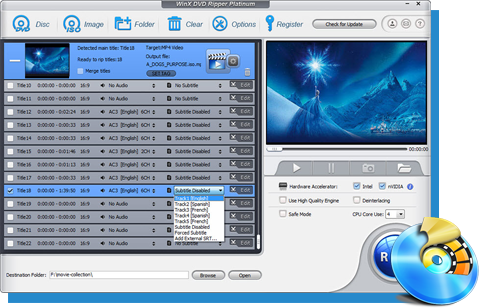
If your Xbox One disc drive no longer reads DVD movies, converting a compatible movie DVD into a digital video file may offer another way to watch it. WinX DVD Ripper Platinum can convert supported DVD video content, including some home-made and copy-protected DVDs, TV series DVDs, and workout DVDs, into formats such as MP4 or MKV. Output options depend on the source disc and selected settings. Game discs are not supported for conversion into playable Xbox games.
A digital copy can avoid the need to insert the original DVD for playback, but it does not repair the console's optical drive or guarantee that every DVD can be converted. Only copy content you are legally permitted to reproduce, and follow applicable copyright laws.
Do not use WinX DVD Ripper to rip rental DVDs. Availability and compatibility may vary by operating system. Mobile users can visit the download page.
5 Xbox One Disc Drive Problems and How to Fix Them
1. Xbox One Won't Read Any Discs
If your Xbox One displays an "Insert disc" message after a disc is already inside, fails to recognize multiple discs, or does not respond when you insert one, work through these checks before assuming the drive has failed.
- Check the disc and insertion direction. Inspect the disc for scratches, dirt, fingerprints, or a damaged label. Make sure it is inserted in the correct orientation for your console's position.
- Test another disc. Try a known-good Xbox game disc and, if relevant, a supported DVD or Blu-ray movie. If only one disc fails, the disc itself or its format may be the problem.
- Restart the console. Open the power menu and select Restart console. If the console is unresponsive, perform a full shutdown, disconnect its power cable, wait about 30 seconds, reconnect it, and turn the console back on.
- Check for system updates. Open Settings and look under System for the console update option. Menu labels may vary with the installed system version.
- Consider hardware service. If several known-good, compatible discs remain unreadable, the optical drive may need professional diagnosis. Avoid opening the console unless you have the necessary repair experience.
2. Xbox One Reads Some Discs but Not Others
If one game or movie works while another does not, check the affected disc and its compatibility before troubleshooting the console.
- Clean the disc. Hold it by the edges and gently wipe the underside with a clean, soft, lint-free cloth, moving from the center outward. Avoid abrasive materials and solvents.
- Check the disc type. Xbox One supports compatible Xbox One game discs and supported DVD and Blu-ray video formats, but not every optical disc format. A disc that works in another device may still be incompatible with your console.
- Check movie region restrictions. DVD and Blu-ray playback may be subject to regional restrictions. A movie disc from another region may not play even if the drive itself works correctly. See our guide to Xbox One DVD and Blu-ray region compatibility.
- Test another known-good disc of the same type. If multiple discs of one type fail but other types work, the drive may have trouble reading that format. Professional diagnosis may be necessary.
3. A Disc Is Stuck in Xbox One or Won't Eject
If the eject button does not release a disc, try the normal eject controls first. Do not pull on the disc or force anything into the slot.
Method 1: Restart and eject normally. Restart the console, then press the physical eject button. You can also highlight the inserted game on the Home screen and use the available eject command if your system offers it.
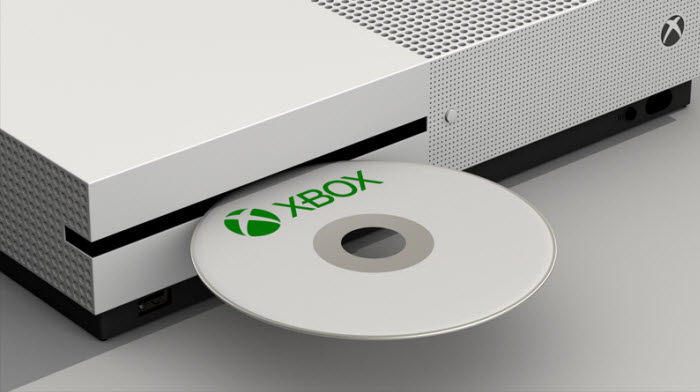
Method 2: Use the manual eject mechanism. If the disc remains stuck, shut down the console and disconnect its power cable. Locate the manual eject hole for your exact Xbox One model and follow the model-specific instructions. On supported models, a long, straightened paper clip may be required. The hole's location and the required insertion depth vary by model, so do not rely on instructions for a different console version.
Once the disc is out, check for a damaged edge, sticky residue, or a loose label before trying it again. If the mechanism repeatedly jams, arrange a repair rather than forcing the disc out.
4. Xbox One Disc Drive Makes Grinding or Clicking Noises
A brief sound during disc insertion or ejection does not necessarily indicate a fault. However, repeated grinding, loud clicking, scraping, or noises accompanied by reading errors may point to a disc obstruction or mechanical problem.
- Eject the disc if the console can release it normally, then inspect it for cracks, warping, or a loose label.
- Check the disc slot for visible obstructions without inserting tools or fingers into the mechanism.
- If the noise continues with a known-good disc, stop using the drive and seek professional service. Do not open the optical drive or move its internal parts without appropriate repair experience.
Continuing to run a noisy drive may damage the disc or worsen a mechanical fault.
5. Xbox One Keeps Ejecting Discs or Ejects Unexpectedly
If the console ejects a disc without a clear reason, first determine whether the problem is related to the disc, the eject control, or the drive mechanism.
- Inspect the disc. Remove any disc that can be ejected normally and check for damage, residue, or a loose label.
- Clean the exterior eject area. With the console powered off, wipe the area around the eject button using a soft, dry cloth. Avoid liquids and do not insert anything into the slot.
- Perform a full power cycle. Shut down the console, disconnect its power cable for about 30 seconds, reconnect it, and restart. This can clear a temporary control or system glitch, but will not fix a damaged mechanism.
- Check for recurring mechanical symptoms. If the console ejects discs repeatedly, makes unusual noises, or triggers eject behavior without being touched, arrange a professional inspection.
If none of these checks resolves the problem, visit Xbox Support for current service options. Repair feasibility and cost depend on the exact console model and the fault. Avoid replacing the drive based on symptoms alone, because some optical-drive components may be paired with the console's motherboard.
If you mainly watch DVD movies, a compatible digital copy may be an alternative to using a physical disc. Learn more about converting DVDs to digital video. This does not apply to Xbox game discs, which cannot be converted into playable game files using a DVD ripper.
Video Tutorial: How to Fix Xbox One DVD Playback Problems
When troubleshooting an Xbox One disc drive, start with the disc itself, test other compatible discs, and restart the console before considering hardware repair. A problem that affects only one disc may have a different cause from a drive that cannot read any discs or repeatedly ejects them.
If the console continues to make abnormal noises, jam discs, or fail with known-good media, stop testing the drive and seek professional assistance. Identifying the symptom first can help you avoid unnecessary disassembly, protect your discs, and choose the right next step.